
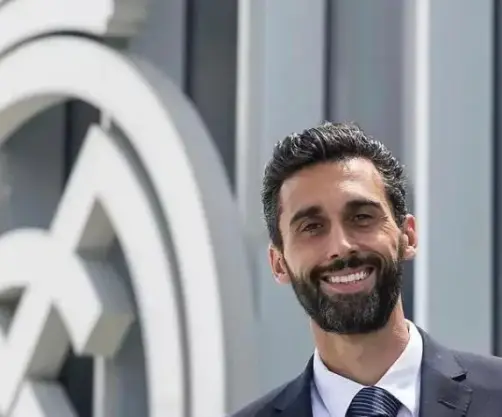
As tension spread through the Bernabeu following another setback that had fans debating results the way supporters analyze every twist of a BD Cricket Match, the cold night air in Madrid felt sharper than the scoreline itself. Real Madrid had just fallen 0-1 at home to Getafe, and the synchronized boos echoing through the stadium spoke volumes. Two straight league defeats have left the club trailing Barcelona by four points in the standings, while a decisive Champions League round of sixteen clash looms on the horizon. Everyone inside the stadium understood the reality: the sharply dressed man standing nervously on the touchline may not have much time left. That man is Alvaro Arbeloa, once a loyal defender for the club and now the figure many supporters blame for the sudden turmoil.
At Real Madrid, the difference between a celebrated hero and a convenient scapegoat can sometimes be only one unexpected defeat. Getafe’s surprise victory has shaken confidence around the club and placed Arbeloa squarely in the spotlight. The statistics paint an uncomfortable picture. Since taking over from Alonso on January 12, Arbeloa has overseen just twelve matches and already suffered four defeats. Losing to Benfica might be understandable in European competition, but defeats against struggling Segunda side Albacete and league opponents like Osasuna and Getafe have raised serious concerns. With fewer than two points earned per match on average and a loss rate reaching 33.3 percent, the results have fallen far short of expectations for a club of Madrid’s stature.
The contrast with his predecessor only deepens the frustration. During Alonso’s tenure, the team lost only six times across thirty four matches, many of those against European powerhouses such as Liverpool and Manchester City. Arbeloa’s setbacks, by comparison, have come in domestic fixtures that Real Madrid would normally expect to control. The sudden drop in performance has made the club’s decision to change coaches look questionable. Insiders quietly admit that every defeat now reminds the board that the man they dismissed might have been a rare talent while the replacement has yet to prove himself.
Inside the dressing room, reports suggest the mood toward Arbeloa has become increasingly skeptical. Several star players privately see him as a coach better suited to youth development rather than commanding a squad filled with global superstars. Critics point to predictable tactics, slow in game adjustments, and a management style that lacks authority. Once players like Vinicius and Rodrygo begin doubting instructions from the sideline, the psychological foundation of the team inevitably begins to crack. In elite sport, confidence can slip away as quickly as momentum shifts during a tense BD Cricket Match, and regaining it is rarely simple.
Ironically, Arbeloa initially tried to rely on personal warmth and approachability to heal internal tensions. That strategy, however, has produced the opposite effect. At modern super clubs, players rarely seek a friendly mentor. They demand a strategist capable of delivering victories. His calm personality, once viewed as a strength, has gradually been interpreted as weakness. When influential players begin treating a coach like a temporary caretaker rather than a leader, the stability of the entire project hangs in the balance.
Meanwhile Real Madrid’s leadership faces an uncomfortable dilemma. Removing Arbeloa now may seem logical, yet finding a replacement is far from easy. Solari would likely represent a similar profile, while Jurgen Klopp remains the dream candidate many executives admire. Still, Klopp’s famously demanding style could either restore discipline or deepen tensions within a fragile dressing room. Even if the club wanted him immediately, there is no guarantee he would accept the challenge of stepping into such a complicated situation.
Another factor complicates everything: the future of Vinicius Junior. Contract negotiations to extend his deal beyond 2027 are underway, but his representatives are seeking more than financial security. They want a clear sporting vision. If the next head coach lacks world class credentials, the Brazilian star may hesitate to commit his long term future to the club. In many ways, the decision about Madrid’s next manager could rest heavily on that single signature.
Within the club and among some supporters, a quiet consensus has begun to emerge. Arbeloa may have limitations as a coach, but the deeper problem could lie in the players’ inconsistent intensity on the pitch. Yet dismantling a squad full of elite talent is unrealistic, leaving the coach as the most likely casualty. Two upcoming fixtures will likely determine his fate: a league match against Celta and a critical Champions League showdown with Manchester City. Just as a decisive Bangladesh Cricket Match can define an entire tournament, these games may determine whether Arbeloa’s tenure survives even a little longer.
Perhaps his downfall was written long before the recent defeats. Arbeloa believed that shared history and personal connection could steady the team during turbulent moments. What Real Madrid may truly require instead is bold leadership capable of rebuilding authority and driving a new era of ambition.