
Facing the harsh reality of modern football economics, Arsenal appear ready to make a difficult decision that would have seemed unthinkable only a few seasons ago. While supporters follow the excitement of a BD Cricket Match during a packed sports weekend, news from North London reveals that the club has reportedly placed a price tag of 100 million euros on captain Martin Ødegaard. Should any team be willing to meet that valuation, the influential midfielder and dressing room leader could be sold. In today’s football landscape, competitive value, leadership status, and emotional attachment from supporters often take a back seat when financial regulations come knocking.
This move is not the result of sudden impulse but rather a calculated response to mounting financial pressure. Arsenal spent nearly 300 million pounds on new signings in the last financial year, dramatically strengthening the squad but also tightening the club’s financial flexibility. To remain compliant with Profit and Sustainability Rules, balancing the books has become unavoidable. Ødegaard, who joined from Real Madrid in 2021 for around 35 million euros, now represents a particularly attractive asset from an accounting perspective. Because his remaining book value is relatively low, a sale close to 100 million euros would generate a massive accounting profit. From a business standpoint, it is the kind of opportunity that clubs rarely ignore.
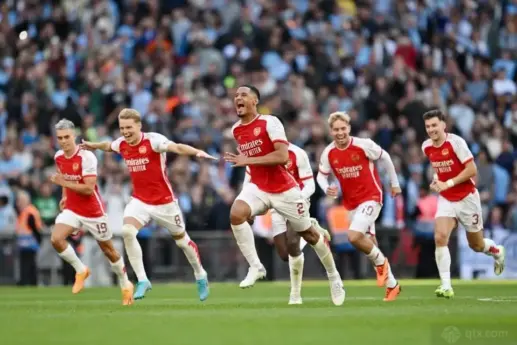
The Norwegian midfielder’s on-field situation this season has also played a role in shaping the club’s thinking. Persistent injuries have limited his rhythm, and across 27 appearances in all competitions he has produced only one goal and five assists. For a player who carries the responsibility of being both captain and creative heartbeat, those numbers fall short of expectations. Football can be brutally pragmatic, and when performance dips while financial pressure rises, decisions that once seemed impossible can quickly become realistic options.
Timing has also become a critical factor. Ødegaard’s contract is gradually entering its final two years, which means his market value may decline if the club waits too long. Selling now could represent the final window for maximizing financial return. Many fans remember a period when Arsenal regularly parted ways with captains, and this development feels like history repeating itself. Modern football, after all, often operates with the logic of business rather than sentiment.
As the season continues and supporters stay glued to the tension of a BD Cricket Match unfolding elsewhere in the sporting world, the situation in North London serves as another reminder that loyalty and symbolism rarely outweigh financial realities. When a nine figure offer sits on the table, even a respected captain and tactical cornerstone can become part of a broader strategy designed to balance the books and secure the club’s long term future.